
AI & Industry Trends
AI Tools for Webcam Models: A Safe 2026 Workflow
A practical guide to using AI for planning, production, moderation, accessibility, and business operations without replacing consent or human judgment.
Read guide
Current, safety-first explainers on AI tools, neural networks, age assurance, synthetic-media labels, creator rights, privacy, and platform changes for webcam professionals.
A practical guide to using AI for planning, production, moderation, accessibility, and business operations without replacing consent or human judgment.
Read guide
Learn how AI noise removal, room echo reduction, background effects, framing, and eye contact can improve a webcam stream when tested conservatively.
Read guide
Use AI background removal or blur for a polished webcam frame while protecting location clues and avoiding unstable edges around the model.
Read guide
A clear workflow for AI noise cancellation that reduces fans, traffic, keyboard sounds, and room echo without making speech metallic or clipped.
Read guide
Understand how AI eye contact effects work and when they help webcam presentation without creating an uncanny or deceptive appearance.
Read guide
Set up AI auto framing so a webcam composition follows normal movement without exposing private areas of the room or causing distracting zooms.
Read guide
Evaluate automatic exposure, relighting, skin-tone balancing, and low-light AI features before relying on them in a professional webcam setup.
Read guide
Create accessible captions for safe promotional and educational creator videos while protecting names, slang, and private information from transcription errors.
Read guide
Assess live translation for multilingual chat and captions without promising perfect accuracy or sending sensitive conversations to unknown services.
Read guide
Use AI-assisted chat moderation to reduce spam, harassment, and scams while avoiding silent bias, false positives, and fully automated punishment.
Read guide
Turn long safe broadcasts into short promotional highlights with AI assistance while keeping a human review gate for context, privacy, and platform rules.
Read guide
Generate safer promotional caption drafts that match a creator brand while avoiding spam, prohibited claims, and repetitive AI language.
Read guide
Use AI to organize a realistic promotional and educational content calendar without turning every day into production or exposing private plans.
Read guide
Use AI summaries to find patterns in safe business metrics without uploading identifiable viewer data or mistaking correlation for certainty.
Read guide
Group broad audience behaviors for better communication while avoiding invasive profiling, sensitive inference, and manipulative personalization.
Read guide
Evaluate AI pricing suggestions for creator services without enabling discrimination, hidden pressure, or automatic changes during live interactions.
Read guide
Design a limited creator chatbot for public FAQs and scheduling information without impersonating the creator or handling consent, payments, or crises.
Read guide
Explore virtual influencer branding as a separate disclosed media project without copying a real person's likeness or confusing audiences about what is synthetic.
Read guide
Compare synthetic avatars with real on-camera presentation across trust, disclosure, cost, control, accessibility, and platform eligibility.
Read guide
Protect a public-facing voice from cloning abuse and use synthetic speech only with explicit permission, clear labels, and account verification controls.
Read guide
Learn what automated deepfake detectors can and cannot prove and combine them with provenance, source checking, and careful evidence preservation.
Read guide
Use reverse image and face-search services cautiously to find copied public photos without building an invasive surveillance habit.
Read guide
Compare visible marks, invisible watermarks, fingerprints, and signed provenance for creator media without assuming any method prevents copying.
Read guide
Understand C2PA Content Credentials and how tamper-evident provenance can document creation and editing while still requiring privacy choices.
Read guide
A creator-focused explanation of SynthID watermarking for AI-generated images, audio, video, and text and its practical limitations.
Read guide
Review AI training preferences, platform controls, metadata signals, and contract terms without assuming one opt-out covers every copy or service.
Read guide
Define specific permission for AI uses of face, body, voice, motion, and style without bundling permanent synthetic rights into a vague release.
Read guide
Update collaboration releases for synthetic editing, automated enhancement, training restrictions, disclosure, and digital replica risks.
Read guide
Understand current U.S. Copyright Office guidance on human authorship, AI-generated material, disclosure, and registration records.
Read guide
Prepare for unauthorized synthetic replicas by documenting identity, original publication, permissions, and platform response channels.
Read guide
A plain-language overview of the U.S. TAKE IT DOWN Act and why creators should still preserve evidence and use qualified legal guidance.
Read guide
Explain the EU AI Act Article 50 transparency rules for interactive AI and deepfakes that apply from August 2026.
Read guide
Understand Ofcom's highly effective age assurance expectations and the practical privacy questions creators should ask platforms and vendors.
Read guide
Examine how facial age estimation differs from identity verification and what creators should ask about biometric templates, accuracy, fairness, and deletion.
Read guide
Learn how dataset quality, thresholds, lighting, devices, and demographics can affect automated age checks and why appeals matter.
Read guide
Compare local and cloud AI tools for transcription, enhancement, planning, and moderation across privacy, cost, quality, hardware, and control.
Read guide
Prevent private viewer information, identification records, unreleased plans, and location clues from entering AI prompts or shared workspaces.
Read guide
Evaluate AI tools by data use, security, deletion, model training, support, portability, accessibility, pricing, and platform compatibility.
Read guide
Design approval gates for AI-assisted captions, moderation, images, analytics, and automation so accountability never disappears.
Read guide
A grounded look at AI production effects, translation, moderation, provenance, virtual personas, age assurance, regulation, and creator rights.
Read guide
Understand payment risk for adult creators, keep clean records, protect account access, and build alternatives before a payout channel fails.
Read guide
Questions adult creators should ask about AI age verification, biometric data, retention, appeals, accuracy, vendors, and privacy safeguards.
Read guide
Explore practical uses and risks of AI in adult businesses, including consent, likeness, disclosure, moderation, ownership, and human review.
Read guide
Recognize creator burnout, reduce workload pressure, set boundaries, and find adult-industry-aware support without waiting for a crisis.
Read guide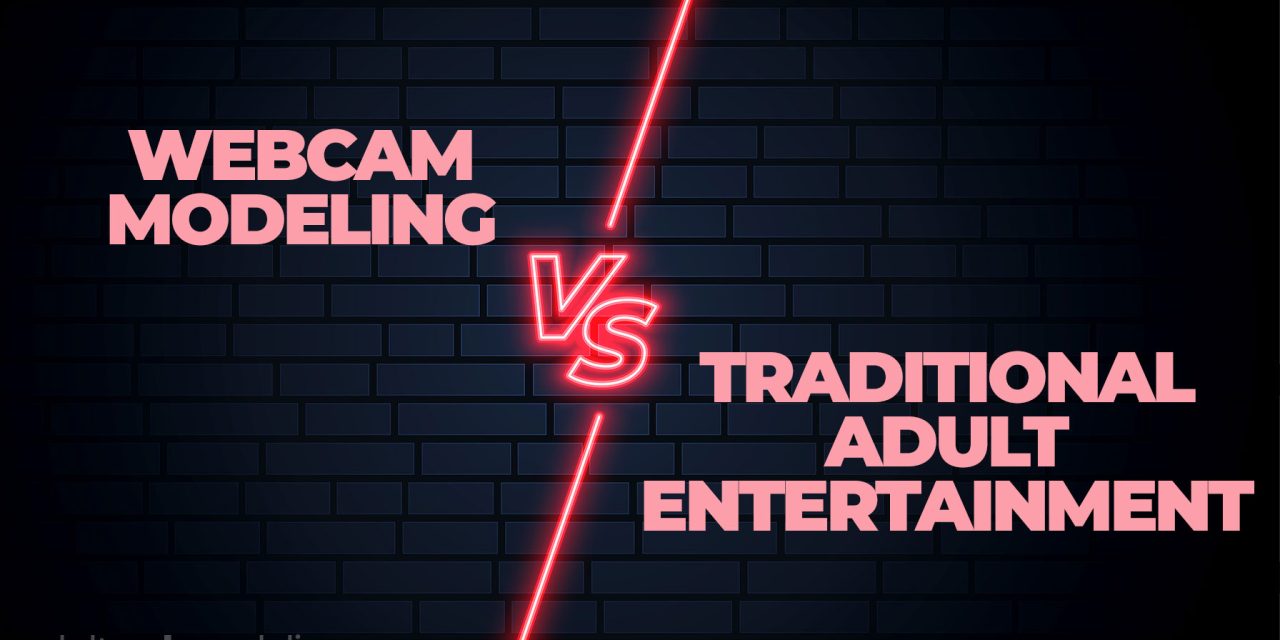
Compare webcam modeling with traditional adult entertainment across control, costs, schedule, privacy, distribution, and long-term risk.
Read guide
Context for adult creators using Twitch, with a policy-checking workflow for profiles, links, attire, sensitive themes, and account safety.
Read guide